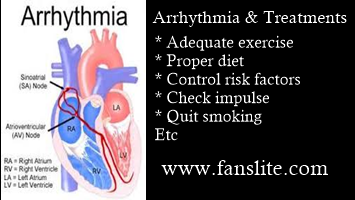
Arrhythmia & Arrhythmia Treatment – An arrhythmia a health problem where there is an abnormal heart rhythm or heartbeat; in which case, the heart beats either too fast, too slow or with irregular rhythm.
And at one point in time, almost everyone has felt their heart beat very fast, slow or even thought their heart is “skipping a beat” Whichever the case, this could be a sign or symptom of Arrhythmia.
In order to learn few hints about arrhythmia treatment one should know that treatments vary, and depends on the type and seriousness of the problem.
Good News – First Sick Cell Patient Gets Cured With Gene Therapy
Basically, in Arrhythmia, as just mentioned above, in some cases, the heart rhythm beats too fast while in some cases, it beats too slow.
1. Tachycardia: It is the condition in which the heart rate too fast.
2. Bradycardia: This is the condition in which the heart beats too slow.
Arrhythmias can produce a broad range of symptoms, from barely perceptible to cardiovascular collapse and death
When arrhythmia problem lasts long enough with arrhythmia treatment measures be taken as properly as possible, it could result to the following signs and symptoms, among others;
Recommended – Common Facts About Diabetes To Note
Once your doctor is able to determine that your arrhythmia is abnormal or clinical significant, he or she sets a arrhythmia treatment plan for you. These treatment goal cuts across the following;
Before we look into series of ways to treat arrhythmia or its effects, it is necessary we understand that certain substances can contribute to an abnormal or irregular heartbeat. Some of these substances includes
Must Read – Preventing Birth Defect During & After Pregnancy
Let us now look into certain practices, lifestyles and measures that could help arrhythmia condition. Remember, arrhythmia occurs when the electrical impulses that coordinate the body’s heartbeats do not work properly, causing your heart to beat too fast, too slow or just irregularly.
Nevertheless, arrhythmia treatment through lifestyle changes, medical options and better understanding of the condition can actually help.
The following could reduce your risk of heart disease and arrhythmia in particular, and can also help in its treatment and control;
1. Eating healthy diets; This includes eating plenty of food substances rich in vitamins and minerals, including fresh fruits and vegetables that keep you healthy and living, lean proteins like fish, beans etc.
Avoid foods rich in too much fats and cholesterol.
2. Regular Exercise; Exercise could be included as regular part of healthy lifestyle. Always consult your doctors for the kind of exercise that suits you, while avoiding extreme endurance athletic sports.
3. Quit Smoking; Certain elements found in cigarette can increase cardiac arrhythmia, and stimulants found in nicotine can trigger arrhythmia.
4. Maintain a healthy weight; While being overweight can increase the chances of high blood pressure through high cholesterol, carrying excess weight is also a risk factor in arrhythmia. Thus, ensure you create a balance in maintaining healthy weight.
5. Keep blood pressure under control.
6. Limit the consumption of alcohol
7. Cut down the in-take of stimulants and caffeine
8. Treat sleep apnea(It is a condition in which one’s sleeping breathe is interrupted.
9. Know the warning signs and symptoms(See symptoms above)
10. Take your antiarrhythmic drugs as prescribed by your doctor.
11. Try blood-thinning medication
12. Consider cardioversion (This is a procedure done either through electric shock or medicine, which reverts the heartbeat back to its regular rate.
13. Check your pulse and manage your risk factors
14. Depending on your doctor, a pacemaker can only be used for certain types of arrhythmia.
Hope this article was helpful? Using the comment box below, let us know your suggestions and contributions.
Friedrich Stiftung Scholarships 2024 - Pursue your studies in Germany. Good news! Applications for the…
NL Scholarship 2024 - Start your study adventure in the Netherlands. Good news! NL Scholarship…
Shiraz University of Medical Sciences Scholarship 2024 - Pursue your studies in Iran. Good news!…
Edith Cowan University Scholarship 2024 - There is an opportunity for you to pursue your…
Southern Cross University Scholarships 2024 - Pursue your studies Australia. Good news! Southern Cross University…
Bond University Undergraduate Scholarship 2024 - Start your study adventure in Australia. Good news! Bond…
