
Home Test for Pregnancy – Pregnancy Test – How Do I Know I’m Pregnant – Human Chorionic Gonadotropin: Some women experience feelings inside their stomachs in the early stages of pregnancy that replicate the sensation of their muscles being pulled and stretched. Sometimes referred to as ‘abdominal twinges‘, these tingles are nothing to worry about
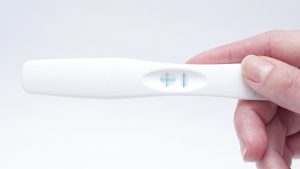 This method of checking for ‘hCG’ in the blood or urine was first discovered in the 1930s. There are other forms of pregnancy tests that do not involve the checking for ‘hCG’ like, Obstetric ultrasonography and the checking for ‘EPF’ Early Pregnancy Factor, which can be present in the system, as early as, 2 days after an egg is fertilized.
This method is very accurate but quite rigorous and expensive to successfully conduct. So, the method of searching for the presence of ‘hCG’ is currently the most efficient for all.
How Does The Pregnancy Test Work?
Its actually pretty easy, unlike the ancient times when pregnancy tests took a whole lot of hassle. Pregnancy tests in our current world requires basically the purchase of the pregnancy test stick and effective usage. The pregnancy test stick is very easy to get and is equally cheap as well.
It can be gotten in local pharmacies, supermarkets and hospitals around you. Even though they are sold and purchased in mass, doesn’t mean that they are less effective. The pregnancy test stick works just as accurately as normal tests done in hospitals, if used correctly. To use the test stick, you basically have to;
- pee on it, and
- then wait for a few minutes before it gives you the results.
- When reading the results of the test, keep in mind that the appearance of one straight line signifies positive while no line signifies negative.
- while in some others, two lines may signify positive while one line signifies negative, it all depends on the brand. Also remember to check expiration dates, as expired pregnancy test sticks may give false negative or positive results.
Also Read: Facebook Care Emoji – Facebook Care Reaction
When Can I Use The Pregnancy Test?
Pregnancy tests may not be 100% accurate when they are done too early, basically because it takes a while for an egg in the uterus to be fertilized, even after unprotected sexual intercourse, because sometimes sperm can sit in the fallopian tubes for more than four days before it fertilizes an egg. It is therefore advisable to wait till after you miss your period before taking the test.
You can also take the test during time of your ovulation as the test is more accurate during that time. But if you have irregular mensuration, then wait at most three weeks from after you suspected you were pregnant to take the test. But the normal time limit for checking if you’re pregnant is 6-12 days after unprotected sex and right after a missed period.
If you are positive that you are pregnant, it is advisable you visit your doctor for further instructions. And also for further tests to check how long the baby has been, for ultrasounds, dietary implications, family planning etc. Or you can visit family planning clinics around you too, to know and understand what pregnancy and parenthood fully entails
What hCG level confirms pregnancy?
How much hCG is needed for a positive pregnancy test first response?
Classic pregnancy signs and symptoms
The most common early signs and symptoms of pregnancy might include:
- Missed period. If you’re in your childbearing years and a week or more has passed without the start of an expected menstrual cycle, you might be pregnant. However, this symptom can be misleading if you have an irregular menstrual cycle.
- Tender, swollen breasts. Early in pregnancy hormonal changes might make your breasts sensitive and sore. The discomfort will likely decrease after a few weeks as your body adjusts to hormonal changes.
- Nausea with or without vomiting. Morning sickness, which can strike at any time of the day or night, often begins one month after you become pregnant. However, some women feel nausea earlier and some never experience it. While the cause of nausea during pregnancy isn’t clear, pregnancy hormones likely play a role.
- Increased urination. You might find yourself urinating more often than usual. The amount of blood in your body increases during pregnancy, causing your kidneys to process extra fluid that ends up in your bladder.
- Fatigue. Fatigue also ranks high among early symptoms of pregnancy. During early pregnancy, levels of the hormone progesterone soar — which might make you feel sleepy.
Other pregnancy signs and symptoms
Other less obvious signs and symptoms of pregnancy that you might experience during the first trimester include:
- Moodiness. The flood of hormones in your body in early pregnancy can make you unusually emotional and weepy. Mood swings also are common.
- Bloating. Hormonal changes during early pregnancy can cause you to feel bloated, similar to how you might feel at the start of a menstrual period.
- Light spotting. Sometimes a small amount of light spotting is one of the first signs of pregnancy. Known as implantation bleeding, it happens when the fertilized egg attaches to the lining of the uterus — about 10 to 14 days after conception. Implantation bleeding occurs around the time of a menstrual period. However, not all women have it.
- Cramping. Some women experience mild uterine cramping early in pregnancy.
- Constipation. Hormonal changes cause your digestive system to slow down, which can lead to constipation.
- Food aversions. When you’re pregnant, you might become more sensitive to certain odors and your sense of taste might change. Like most other symptoms of pregnancy, these food preferences can be chalked up to hormonal changes.
- Nasal congestion. Increasing hormone levels and blood production can cause the mucous membranes in your nose to swell, dry out and bleed easily. This might cause you to have a stuffy or runny nose.
Are you really pregnant?
Unfortunately, many of these signs and symptoms aren’t unique to pregnancy. Some can indicate that you’re getting sick or that your period is about to start. Likewise, you can be pregnant without experiencing many of these symptoms.
Still, if you miss a period and notice some of the above signs or symptoms, take a home pregnancy test or see your health care provider. If your home pregnancy test is positive, make an appointment with your health care provider. The sooner your pregnancy is confirmed, the sooner you can begin prenatal care.


